


Wound Care Supplies Kenya: Simple Home Routine (With Guidance)

Introduction
It’s a hot afternoon in Nairobi and you’re hurrying to the chemist after your child trips on a school playground. The doctor prescribed wound dressings, but you’re not sure what exactly to buy. In rural areas like Kitui, it’s even harder — the nearest clinic might be 20 kilometres away, and the roadside kiosk doesn’t always stock proper supplies. That’s why having the right wound care supplies ready at home makes a huge difference. It saves you stress, money, and time when accidents happen.
In Kenya, families face frequent cuts, burns, and scrapes — whether from boda boda accidents, cooking fires, or children at play. This article shows you what to include in your wound care kit, how to prepare before emergencies, and how EnkajiCare can support you with reliable homecare supplies.
Why wound care supplies matter for you and your family in Kenya
Common challenges you face
- Queues and delays: Public hospitals often run short of dressings, forcing you to wait or buy outside.
- Transport struggles: Nairobi traffic or rural distances mean urgent treatment can be delayed.
- Cost worries: Good dressings and antiseptics can feel expensive when bought unplanned.
- Paperwork and referrals: NHIF coverage may not always include advanced wound dressings.
- Communication gaps: Sometimes you leave the clinic unsure how to change dressings at home.
Benefits you gain
- Peace of mind: Having supplies ready reduces panic during emergencies.
- Faster healing: Proper dressings lower infection risk.
- Family comfort: Children and elderly relatives feel safer when you’re prepared.
- Practical savings: Stocking basics at home reduces last-minute spending.
What to include / key steps in wound care supplies
Before you start (preparation phase)
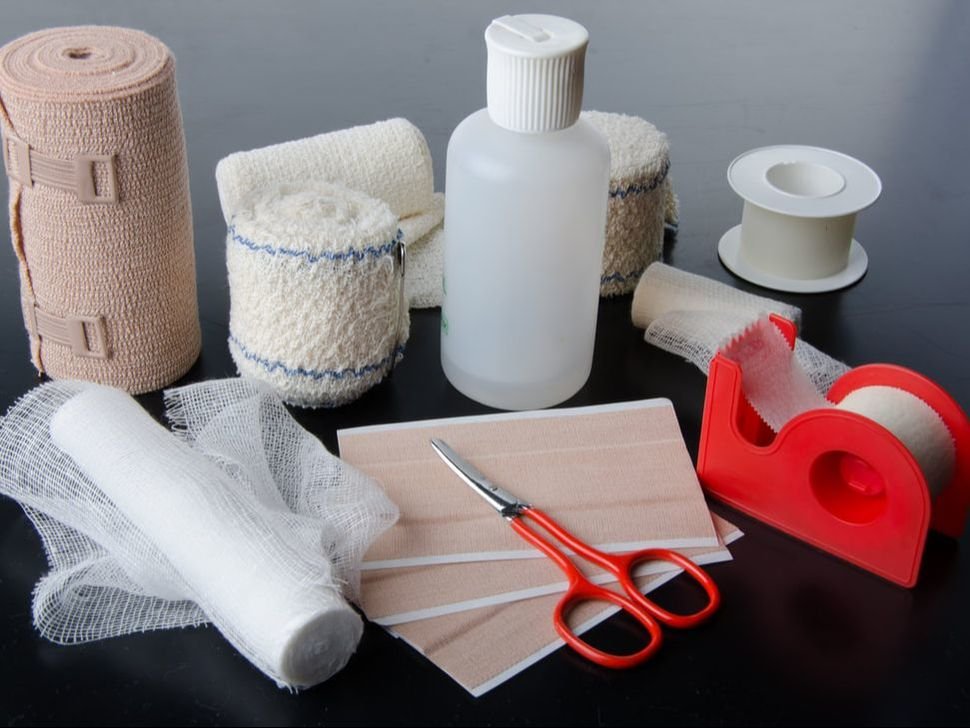
- Buy a wound care kit with essentials like antiseptic, gauze, and adhesive tape.
- Store them in a clean, dry container — clearly labelled.
- Learn basic first aid steps (through Red Cross Kenya or your local hospital).
During the process (clinic/therapy/homecare/etc.)
- Wash your hands or use sanitizer before touching wounds.
- Clean the wound gently with antiseptic.
- Apply a sterile dressing and secure with tape.
- Use gloves when dealing with open wounds, especially for elderly patients.
Aftercare / follow-up
- Change dressings as advised by a health professional.
- Keep the wound clean and dry.
- Watch for signs of infection (redness, swelling, pus, fever).
- Visit the clinic for follow-up if wounds don’t heal as expected.
Printable checklist for wound care supplies
Your Wound Care Checklist (Print & Keep at Home)
- Antiseptic solution (e.g., iodine or chlorhexidine)
- Sterile gauze pads
- Adhesive tape or plasters
- Pair of disposable gloves
- Antibacterial ointment
- Scissors (clean, sharp)
- Cotton wool or swabs
- Hand sanitizer
- Small waste bag for used dressings
- Notebook to track wound changes or doctor’s advice
Local considerations for Kenyan families
- NHIF coverage: While NHIF supports many hospital treatments, you often need to buy wound dressings separately. See Ministry of Health Kenya for official NHIF information.
- Affordability: Public clinics may run out of supplies, so families spend out-of-pocket at pharmacies. Buying in bulk reduces costs.
- Public vs private: Private facilities stock better options but are more expensive.
- Transport realities: In rural Turkana or Kisii, reaching hospitals can take hours — so keeping wound care supplies at home prevents complications.
- Regional realities: Urban families face traffic delays, while rural families face distance barriers. Both benefit from preparation.
How EnkajiCare products can support you
At EnkajiCare, we understand Kenyan families need accessible, practical solutions. Our range of:
- Homecare supplies like gloves, wipes, and sanitizers keep your environment safe.
- Mobility aids help patients with injuries move safely to and from clinics.
- Incontinence supplies protect comfort during longer healing journeys.
You can explore our full catalogue when you’re ready to shop EnkajiCare for reliable, family-focused healthcare essentials.
Practical Tools for wound care supplies
| Item | Why it matters |
| Antiseptic solution | Cleans wound and prevents infection |
| Sterile gauze pads | Provides clean covering for open wounds |
| Adhesive tape | Keeps dressing in place securely |
| Disposable gloves | Protects you and the patient from germs |
| Antibacterial ointment | Speeds healing and reduces risk of infection |
| Cotton wool/swabs | Useful for cleaning and applying ointments |
| Hand sanitizer | Maintains hygiene during dressing changes |
| Waste bag | Prevents contamination from used dressings |
Yes, you should. It helps you respond quickly to accidents.
No, always use fresh sterile dressings to avoid infection.
Antiseptic — because cleaning the wound reduces infection risk.
Attend community first aid training or consult your clinic nurse. WHO wound care guidance also has helpful resources.
If it’s red, swollen, painful, or leaking pus, seek medical attention immediately.
Conclusion
Accidents happen every day — from playground scrapes in Nairobi to farming cuts in rural Machakos. With a well-stocked wound care supplies kit, you’re ready to protect your family’s health, save time, and reduce costs.
Take the next step today by exploring our selection of homecare supplies and mobility aids. Preparation today means peace of mind tomorrow.


