


How to Maintain and Clean Your Mobility Aids to Extend Their Lifespan in Kenyan Conditions

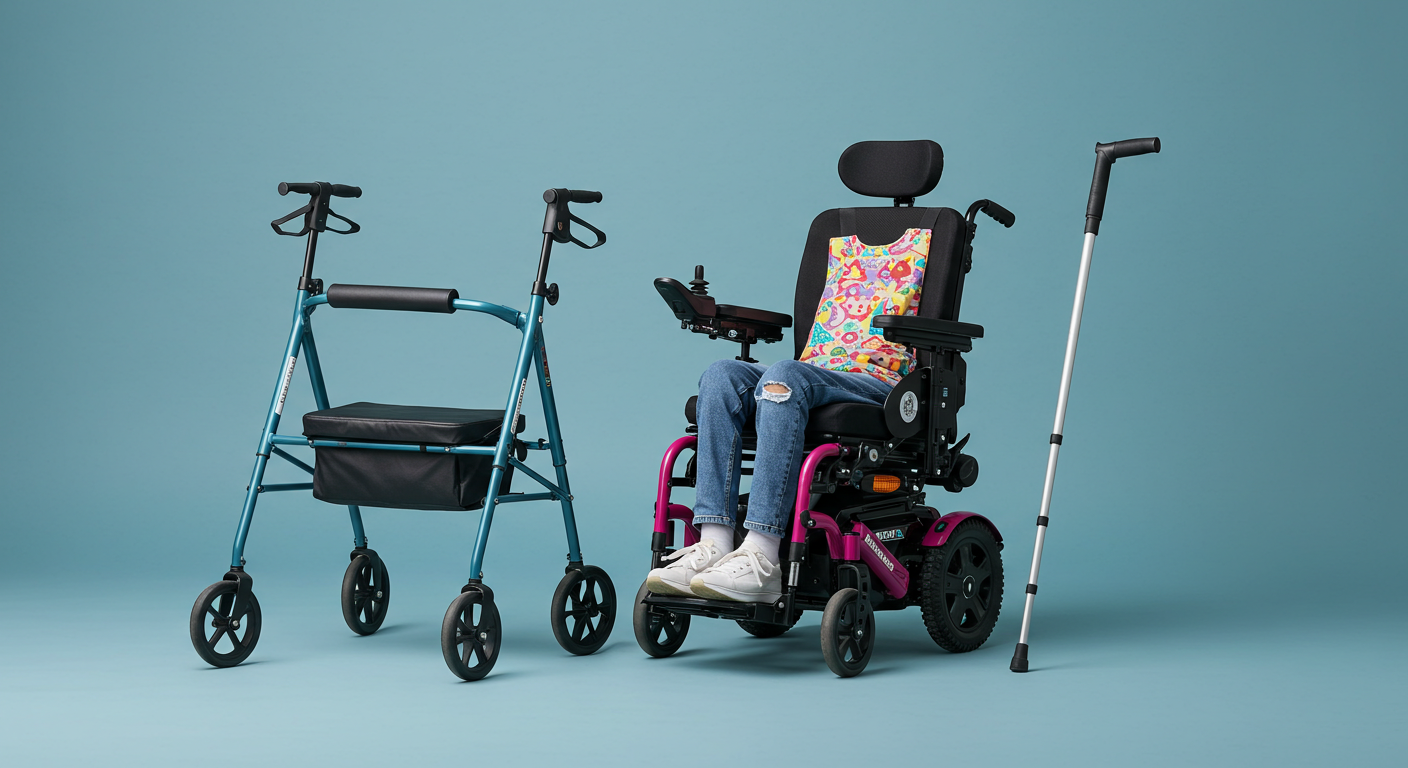
Introduction: Why Mobility Aid Care Matters
When you invest in a wheelchair, walker, cane, or crutches, you’re not just buying equipment — you’re securing your loved one’s independence and safety. But in Kenya’s climate and daily conditions, mobility aids wear out quickly if you don’t care for them properly.
Dusty rural paths, Nairobi’s rainy season, salty coastal air in Mombasa, or just daily wear and tear can shorten the lifespan of these essential tools. That’s why knowing how to maintain and clean your mobility aids is just as important as choosing the right one.
By taking a little time each week to clean, inspect, and repair, you’ll not only save money but also keep your loved one safe, comfortable, and confident.
The Importance of Maintenance for Mobility Aids
- Safety: Loose screws, worn tires, or weak frames increase the risk of accidents.
- Hygiene: Sweat, dust, and spills create odors and infections if not cleaned.
- Durability: Regular care makes equipment last years longer.
- Comfort: Well-maintained cushions and grips reduce pressure sores and hand fatigue.
- Savings: Preventive care is cheaper than buying replacements.
How to Maintain and Clean Your Mobility Aids: A Complete Guide
1. General Care Tips for All Mobility Aids
- Clean weekly with mild soap and warm water.
- Dry immediately to prevent rust (especially in coastal regions).
- Check for loose screws monthly.
- Oil moving parts like joints and wheels.
- Store indoors to avoid moisture damage.
2. Wheelchairs
Wheelchairs are the most used mobility aid, and they require the most maintenance.
Cleaning a Wheelchair
- Frame: Wipe with damp cloth and mild detergent. Avoid harsh chemicals.
- Upholstery: Use disinfectant wipes or fabric-safe cleaner. If removable, wash covers weekly.
- Wheels: Remove hair, dirt, and stones lodged in the tires. Clean rims with soap water.
- Cushions: Air-dry in sunlight to prevent odor buildup.
Maintenance
- Check tire pressure weekly (for pneumatic wheels).
- Tighten screws on footrests and armrests.
- Inspect brakes to ensure they lock properly.
- Oil moving joints every 1–2 months.
💡 Tip: In Kenya’s rough terrain, solid tires may last longer than inflatable ones but require regular checks for cracks.
3. Walkers and Rollators
Cleaning a Walker
- Wipe down the aluminum or steel frame with soapy water.
- Clean grips with antibacterial wipes.
- If it has wheels, scrub them free of mud or debris.
Maintenance
- Ensure rubber stoppers on legs aren’t worn out — replace if slippery.
- Check folding hinges for stiffness or looseness.
- Test brakes (on rollators) monthly.
Shop durable walkers and rollators in Kenya →
4. Canes and Walking Sticks
Canes may look simple, but they require attention.
Cleaning a Cane
- Wipe with damp cloth after outdoor use.
- For wooden canes, polish with wood-safe oil.
- For aluminum canes, check for scratches or dents.
Maintenance
- Inspect rubber tip monthly. Replace if smooth or cracked.
- Adjust height if user’s posture changes.
- Ensure handle grip isn’t slippery — replace with padded grips if worn.
5. Crutches
Crutches undergo high stress because they support body weight.
Cleaning Crutches
- Wash frames with mild soap and rinse thoroughly.
- Clean underarm pads and handgrips with disinfectant wipes.
Maintenance
- Replace worn underarm pads to avoid irritation.
- Ensure bolts are tight.
- Replace rubber tips when worn down.
Special Considerations in Kenyan Conditions
Dusty & Rural Roads
- Clean wheels more frequently.
- Carry a brush to remove mud or soil stuck in joints.
Rainy Season
- Dry mobility aids immediately after use.
- Use protective covers for wheelchairs when outdoors.
Coastal Areas (Mombasa, Malindi)
- Salt air accelerates rust. Wipe with anti-rust spray or light oil weekly.
- Store indoors away from direct moisture.
Common Mistakes Caregivers Make
- Waiting until something breaks instead of doing preventive checks.
- Using harsh detergents that damage upholstery or paint.
- Leaving equipment outdoors overnight where moisture causes rust.
- Ignoring rubber tips on canes, crutches, and walkers — worn tips cause slips.
- Not checking weight capacity — overloading wheelchairs weakens frames.
Affordable Maintenance Tools Every Caregiver Should Have
- Small repair kit (screwdriver, spanner, oil).
- Extra rubber tips for canes/walkers.
- Portable pump for wheelchair tires.
- Disinfectant wipes for daily cleaning.
- Extra cushions or covers for hygiene.
See EnkajiCare maintenance accessories →
Outbound Resource
For global best practices on assistive device care, see the World Health Organization – Assistive Technology Guidelines.
Case Example: Extending Lifespan with Proper Care
Meet Jane, a caregiver in Kisumu. She bought her mother a manual wheelchair two years ago. By:
- Cleaning weekly,
- Checking tire pressure,
- Replacing the seat cushion every 6 months,
…the wheelchair still works perfectly today. Without maintenance, she would have replaced it in just one year — doubling her expenses.
Final Thoughts
Knowing how to maintain and clean your mobility aids is one of the smartest ways to save money, protect your loved one, and ensure safety at home. Whether it’s a wheelchair in Nairobi, a walker in Eldoret, or crutches in Mombasa, a little care goes a long way.
With EnkajiCare’s trusted mobility aids and accessories, you can extend the lifespan of your equipment and make caregiving smoother, safer, and more affordable.
Shop trusted mobility aids in Kenya →https://enkajicare.co.ke/product-category/wheelchairs/commode-and-mobility-aids/


