


Affordable and Reliable Wound Care Solutions for Homes in Kenya

Introduction: Why Affordable Wound Care Matters
When a loved one is recovering at home from surgery, struggling with a diabetic ulcer, or dealing with a small injury, you quickly realize that wound care doesn’t end at the hospital. To keep the wound clean, prevent infection, and support healing, you need reliable supplies on hand.
The challenge many caregivers face is finding affordable wound care solutions in Kenya that are safe and practical for everyday use. Without them, infections can worsen and hospital readmissions become more likely. With them, caregiving at home becomes manageable, hygienic, and cost-effective.
Benefits of Affordable Wound Care Solutions in Kenya
- Prevents infection – clean wounds reduce health risks.
- Speeds recovery – fresh dressings support faster healing.
- Saves money – avoiding unnecessary hospital visits lowers costs.
- Protects dignity – loved ones remain comfortable in their own homes.
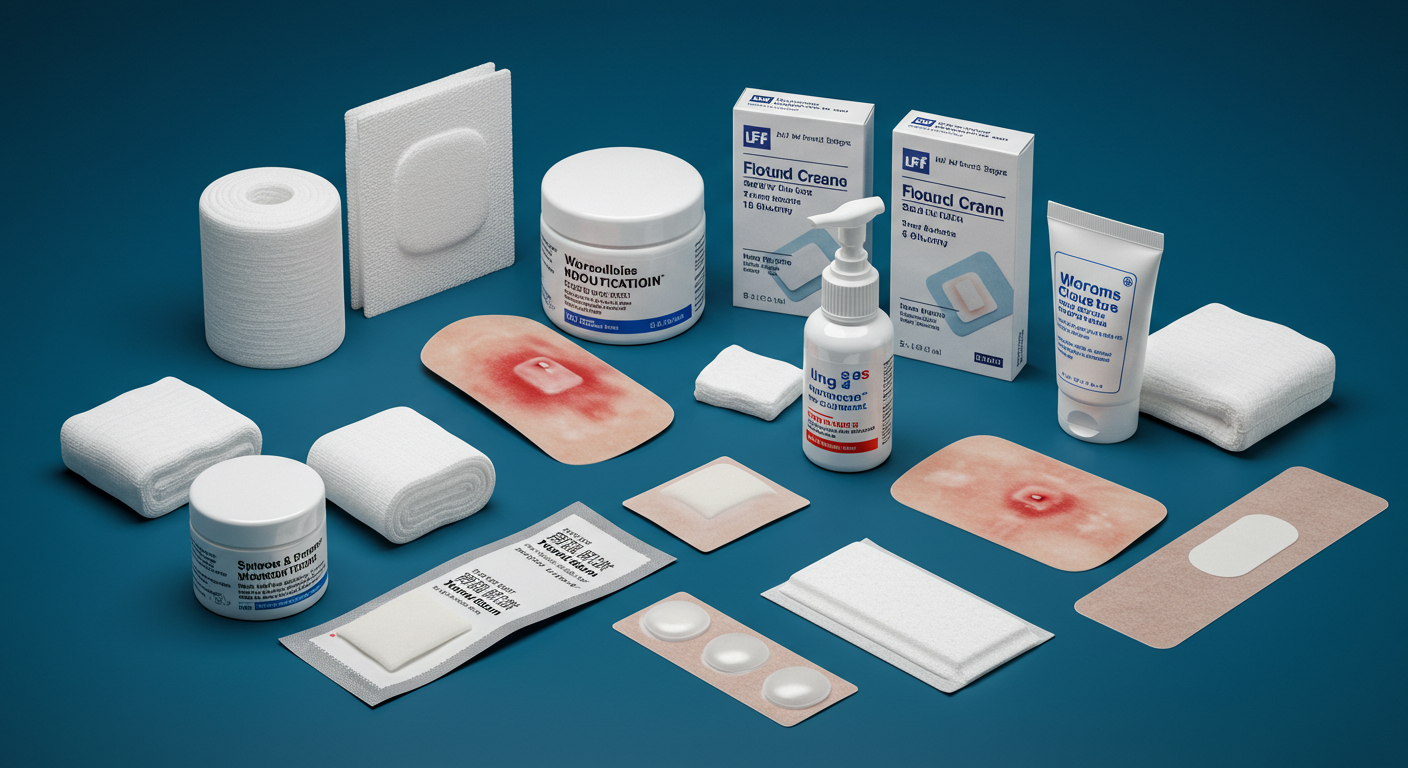
Essentials for Affordable Wound Care at Home
Cleaning Supplies
- Saline solution – gentle, recommended by health experts.
- Mild antiseptics – such as iodine or chlorhexidine.
- Gauze pads – better than tissue paper, which sheds fibers.
Dressings and Bandages
- Sterile gauze pads – protect wounds from dirt and bacteria.
- Adhesive plasters – for small cuts.
- Elastic bandages – for securing larger dressings.
Protective Gear
- Disposable gloves – keep both patient and caregiver safe.
- Disposal bags – hygienic way to discard used dressings.
See affordable wound care packs in Kenya →
How to Safely Manage Wounds at Home
- Wash your hands before touching the wound.
- Clean the wound gently with saline or antiseptic.
- Apply a fresh, sterile dressing.
- Check daily for infection signs (redness, swelling, odor).
- Dispose of old dressings in sealed disposal bags.
Budgeting for Affordable Wound Care Solutions in Kenya
- Compare suppliers – homecare suppliers like EnkajiCare often have lower prices than hospital pharmacies.
- Buy in bulk – cartons or multipacks reduce cost per item.
- Use reusable items – washable protectors and cloth underpads save money over time.
- Choose multipurpose supplies – gauze rolls can serve multiple wound types.
💡 Example: Buying 10 rolls of gauze at once can save 25% compared to purchasing one at a time.
When to Seek Professional Help
Even with affordable wound care supplies, not every wound can be managed at home. Visit a hospital if you notice:
- Heavy bleeding that doesn’t stop.
- Signs of infection (pus, spreading redness).
- Burns or deep cuts.
- Bedsores that worsen despite care.
Outbound Resource
For global wound care best practices, see the World Health Organization – Wound Care Guidelines.
Internal Linking Opportunities
- Link to Blog 2 (Managing Incontinence at Home) → highlight hygiene overlaps.
- Link to Blog 3 (NHIF Coverage for Homecare Supplies) → mention NHIF gaps in wound care.
- Link to Blog 8 (Maintain and Clean Mobility Aids) → connect hygiene themes.
Final Thoughts
Affordable wound care solutions in Kenya are essential for safe and dignified caregiving at home. By stocking the right cleaning supplies, dressings, and protective gear, you protect your loved one while avoiding costly hospital visits.
At EnkajiCare, you’ll find affordable, reliable wound care products designed for Kenyan families. With proper planning, you can manage recovery confidently — and give your loved one the comfort of healing at home.


