


Homecare Hygiene Supplies Kenya: Gloves, Wipes, Sanitizers

Introduction
It’s a Saturday morning in Nairobi, and your mother is recovering from a minor surgery. You’re juggling traffic, school pickups, and trying to keep the house hygienic. Meanwhile, in Kisii, a family relies on water fetched from a borehole, disinfectant soap, and a few basic supplies to keep their grandmother’s wounds clean. These everyday situations show why home care hygiene supplies are not just “nice-to-have” but an essential part of family life in Kenya.
Whether it’s protecting a loved one from infection, keeping your home safe after hospital discharge, or managing day-to-day hygiene for children and elderly relatives, having the right home care hygiene supplies saves you time, stress, and money.
Why home care hygiene supplies matter for you and your family in Kenya
Common challenges you face
- Hospital shortages: Public clinics sometimes run out of disinfectants or gloves, forcing you to buy at higher prices.
- Transport delays: Long matatu rides or Nairobi traffic make it hard to restock hygiene items quickly.
- Affordability issues: Many families must choose between essentials like food and soap.
- Knowledge gaps: Caregivers may not know what’s most important to keep infections under control.
- Paperwork confusion: NHIF and insurance don’t always cover everyday hygiene supplies.
Benefits you gain
- Peace of mind: You’re confident your family is protected against preventable infections.
- Time savings: Stocking supplies at home avoids last-minute pharmacy trips.
- Better recovery: Patients heal faster in clean environments.
- Family dignity: Hygiene support (like incontinence pads) reduces embarrassment and stress.
- Practical cost savings: Buying in advance helps you avoid overpriced emergency purchases.
What to include / key steps in home care hygiene supplies
Before you start (preparation phase)
- Create a dedicated hygiene kit or box in your home.
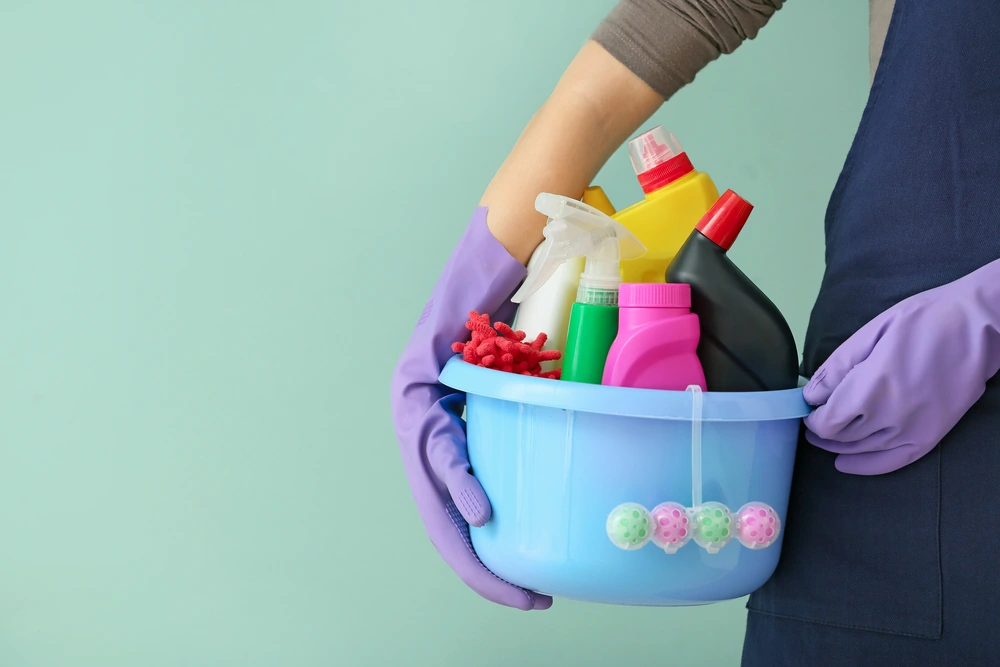
- Stock up on basics like gloves, soap, sanitiser, and wipes.
- Learn correct handwashing and surface cleaning practices from reliable sources like the WHO.
During the process (clinic/therapy/homecare/etc.)
- Always wash your hands or use hand sanitiser before caregiving.
- Use gloves when cleaning wounds, changing adult diapers, or assisting with mobility.
- Keep disinfectant spray or wipes handy for surfaces like doorknobs, walkers, or bed rails.
- Provide patients with dignity by using disposable underpads or bed liners.
Aftercare / follow-up
- Restock your kit as items run low.
- Dispose of waste safely in sealed bags.
- Wash and dry reusable items like basins, cloths, or towels.
- Keep a small notebook to track what’s finished and what needs replenishing.
Printable checklist for home care hygiene supplies
Home Care Hygiene Checklist — Print and Keep in Your Home
- Hand soap and hand sanitiser
- Disposable gloves (medium and large)
- Antiseptic wipes or disinfectant spray
- Disposable masks (for caregivers or visitors)
- Incontinence pads or adult diapers (if needed)
- Bed liners or underpads
- Waste disposal bags (preferably biodegradable)
- Soft washcloths or towels
- Laundry detergent and disinfectant
- Document organiser to keep prescriptions and doctor’s notes handy
Local considerations for Kenyan families
- NHIF coverage: While NHIF helps with hospital stays, it doesn’t cover everyday hygiene supplies. Families must budget separately. See Ministry of Health Kenya for NHIF updates.
- Affordability: Buying hygiene items in supermarkets or in bulk from local shops often saves money compared to last-minute chemist runs.
- Public vs private: Private hospitals usually have supplies onsite but at premium prices. Public hospitals may run out, leaving families stranded.
- Transport challenges: In rural counties like Turkana or Kitui, distance makes keeping home supplies critical. Urban residents face traffic jams that delay access to chemists.
- Regional realities: Rural homes may lack running water, so alternatives like hand sanitiser and bottled water become essential.
How EnkajiCare products can support you
At EnkajiCare, we make it easier for you to stay prepared. You’ll find:
- Homecare supplies like gloves, wipes, and disinfectants for everyday hygiene.
- Mobility aids that reduce infection risks by helping patients move safely.
- Incontinence supplies such as bed liners and adult diapers to support dignity at home.
Explore our collection today — whether you want everyday essentials or specialised care products, you can shop EnkajiCare for trusted solutions designed for Kenyan families.
Practical Tools for home care hygiene supplies
Item — Why it matters
| Item | Why it matters |
|---|---|
| Hand soap | First defence against germs and infections |
| Disposable gloves | Protects you and your loved one during care tasks |
| Antiseptic wipes | Quick surface cleaning, prevents spread of bacteria |
| Incontinence pads | Ensures dignity and hygiene for patients |
| Bed liners | Keeps beds dry and clean, reducing infection risk |
| Waste disposal bags | Safely contain contaminated materials |
| Disinfectant spray | Cleans high-touch surfaces like doorknobs |
| Document organiser | Helps track prescriptions and doctor’s instructions |
Q1. Do I really need to keep hygiene supplies at home?
Yes, you should. Emergencies happen, and being ready prevents stress and infection.
Q2. Can I reuse disposable gloves or pads?
No. Always use them once to avoid spreading germs.
Q3. What’s the most important hygiene item for home care?
Soap — because handwashing prevents most infections.
Q4. How do I dispose of used pads or gloves safely?
Seal them in waste bags before placing in household rubbish.
Q5. Are all hygiene supplies expensive?
Not necessarily. Buying in bulk or from trusted homecare supplies shops reduces costs.
Q6. Should I rely on professional advice?
Yes. Always consult a doctor or nurse if you’re unsure about hygiene or patient care.
Conclusion
From city flats in Nairobi to farms in Kisumu, every Kenyan family benefits from having home care hygiene supplies ready at home. These supplies protect against infections, save money, and give you peace of mind during recovery or daily care.
Take the next step in preparation today — browse our trusted mobility aids and homecare essentials at EnkajiCare. Your family’s health and dignity are worth it.


