


Heat vs Cold Therapy in Kenya: When to Use Each

Introduction
It’s a chilly Nairobi morning and you twist your ankle on the way to work. Your first thought: do you grab an ice pack or a hot compress? Across Kenya — from boda boda accidents in Mombasa to farm sprains in Kericho — families face the same question every day: when should you use heat, and when is cold better?
This guide breaks down heat vs cold therapy in Kenya, giving you simple, practical steps you can apply at home. With just a few affordable supplies, you can ease pain, speed up recovery, and keep your loved ones safe — without guesswork.
Why heat vs cold therapy matters for you and your family
Common challenges you face
- Confusion: Many people don’t know whether to apply ice or heat.
- Access issues: Not every Kenyan home has ready-made hot/cold packs.
- Clinic delays: Long queues mean you need relief while waiting.
- Cultural habits: Some rely only on herbal remedies, overlooking simple therapies.
Benefits you gain
- Faster recovery: Using the right therapy reduces swelling or stiffness.
- Pain relief: Simple compresses can calm sore muscles or joints.
- Accessibility: You can improvise with items like frozen maize flour packs or hot water bottles.
- Affordability: Prevents unnecessary spending on painkillers.
Heat vs Cold Therapy: What to include in your care routine
Before you start (preparation phase)
- Always check the type of injury or pain first.
- Prepare safe tools (ice pack, towel, hot water bottle).
- Know when to avoid therapy (e.g., don’t apply heat to fresh swelling).
During the process
- Use cold therapy within the first 24–48 hours of an acute injury (like ankle sprains or knocks).
- Use heat therapy for chronic pain or stiffness (like arthritis or muscle soreness).
- Always wrap ice or heat sources in a towel — never apply directly to skin.
Aftercare / follow-up
- Limit application to 15–20 minutes at a time.
- Allow skin to return to normal temperature before reapplying.
- See a doctor if pain or swelling worsens.
Printable checklist: Heat vs Cold Therapy Kenya
Your Quick-Use Guide — Print and Stick at Home
- For fresh injuries (sprains, swelling): use cold therapy within 48 hours.
- For chronic pain or stiffness: use heat therapy to relax muscles.
- Always wrap packs in a towel to protect your skin.
- Apply for 15–20 minutes, then rest.
- Never use heat on open wounds or swelling.
- Never use cold if you have poor circulation.
- Consult a doctor if pain continues beyond a few days.
Local considerations for Kenyan families
- NHIF coverage: NHIF covers clinical visits but not basic supplies like ice packs or heating pads. See Ministry of Health Kenya for NHIF details.
- Improvised solutions: In rural Kenya, families often use frozen maize flour packs or warmed cloths in place of store-bought hot/cold packs.
- Affordability: Reusable gel packs are cost-effective and safer than improvising.
- Transport challenges: Long travel to hospitals makes at-home care critical.
- Climate factor: During hot coastal seasons, cold therapy is more accessible; in colder highland regions, heat therapy may feel more comforting.
How EnkajiCare products can support you
At EnkajiCare, we make family care practical:
- Homecare supplies like gloves, wipes, and disinfectants support safe recovery.
- Mobility aids help reduce strain while recovering from injuries.
- Incontinence supplies offer dignity for patients managing long-term conditions.
Explore our range of homecare supplies or shop EnkajiCare today for reliable support.
Practical Tools for Heat vs Cold Therapy Kenya
Item — Why it matters
| Item | Why it matters |
|---|---|
| Ice pack / frozen bag | Reduces swelling and pain for new injuries |
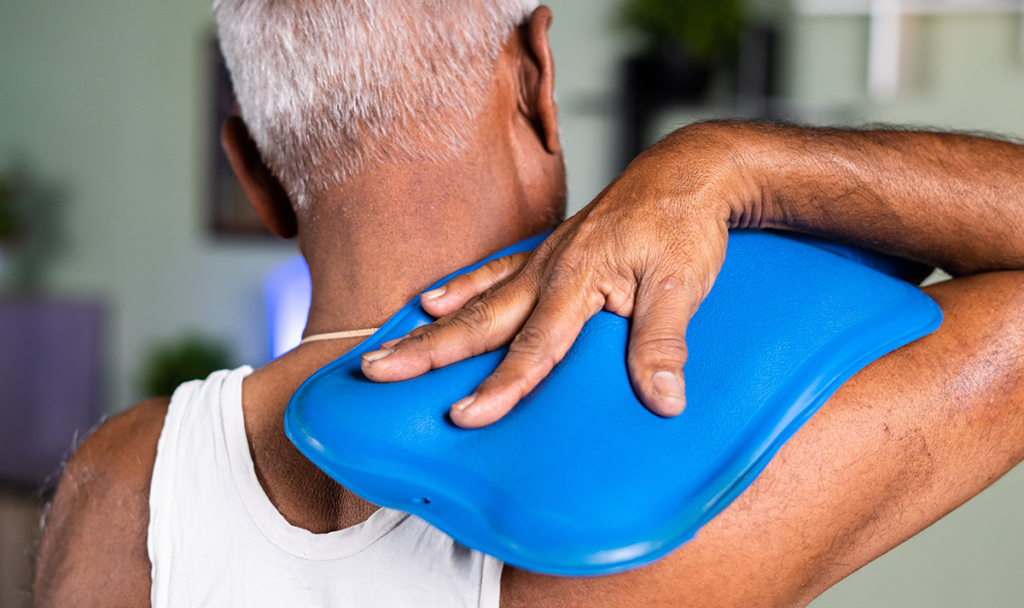
| Hot water bottle | Relieves stiffness and chronic aches |
| Towel wrap | Prevents skin burns or frostbite |
| Gel packs (reusable) | Affordable, versatile, and convenient |
| Comfortable chair/bed | Ensures safe resting position during therapy |
| Document organiser | Keeps doctor’s instructions accessible |
| Mobility aid (crutch/cane) | Reduces pressure on healing injuries |
FAQs about Heat vs Cold Therapy Kenya
Q1. Should I use ice or heat for a sprain?
Ice (cold therapy) within the first 24–48 hours reduces swelling.
Q2. Can I use heat for back pain?
Yes. Heat relaxes stiff muscles and eases chronic back pain.
Q3. How long should I apply heat or cold?
15–20 minutes at a time, with breaks in between.
Q4. Can I put ice directly on my skin?
No. Always wrap it in a towel to avoid frostbite.
Q5. What if pain doesn’t improve?
See a doctor or physiotherapist. WHO guidance on pain management has useful information.
Conclusion
Choosing between heat vs cold therapy in Kenya doesn’t have to be confusing. Use cold for fresh injuries and swelling, and heat for stiffness or chronic pain. With a few simple supplies, you can manage pain, support healing, and protect your loved ones from unnecessary discomfort.
Take the next step — explore our trusted mobility aids and homecare essentials at enkajicare.co.ke, and keep your family prepared for everyday care.


